
Progesterone is often described as “the hormone that protects the womb.” While that’s true, it’s only a small part of the picture.
Progesterone is a powerful hormone with effects throughout a woman’s body — influencing sleep, mood, breast health, brain function, heart health and overall wellbeing.
For many women, especially during perimenopause and menopause, progesterone becomes the forgotten hormone, even though its decline can drive many of the symptoms women struggle with.
Progesterone: A Hormone That Affects Your Whole Body
During the reproductive years, progesterone rises after ovulation and works in many tissues beyond the uterus. Progesterone receptors are found in the brain, breasts, bones, blood vessels and immune system [1].
In the brain, progesterone and its natural breakdown products help calm the nervous system. They interact with pathways involved in sleep, anxiety and emotional balance, which helps explain why falling progesterone levels are often linked to poor sleep, anxiety and mood changes — even before periods stop [1][6].
Progesterone also plays a role in keeping breast tissue healthy, supporting normal cell development rather than overstimulation [7].
Why Progesterone Matters in HRT (Not Just for Safety)
In menopause care, progesterone is often talked about as something women “need” only to protect the womb lining if they’re taking oestrogen. While that protection is essential, it seriously understates progesterone’s importance.
When used as part of hormone replacement therapy (HRT), progesterone can actively support how women feel day to day, not just whether treatment is safe.
Clinical menopause guidance shows that progesterone — particularly micronised (body-identical) progesterone — may help with [2][3][4]:
- Better sleep, especially night waking
- Calmer mood and reduced anxiety
- Breast comfort and balance
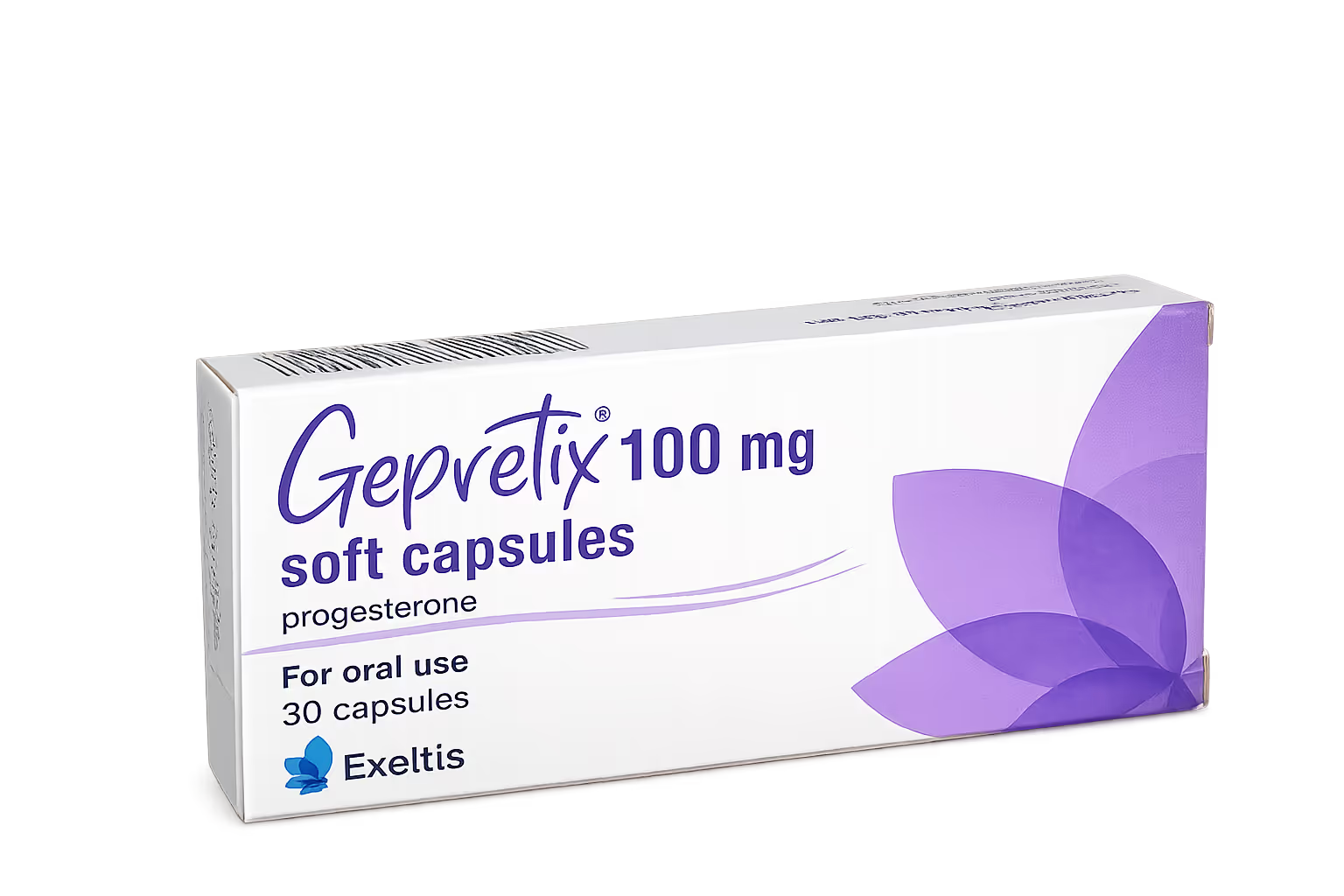
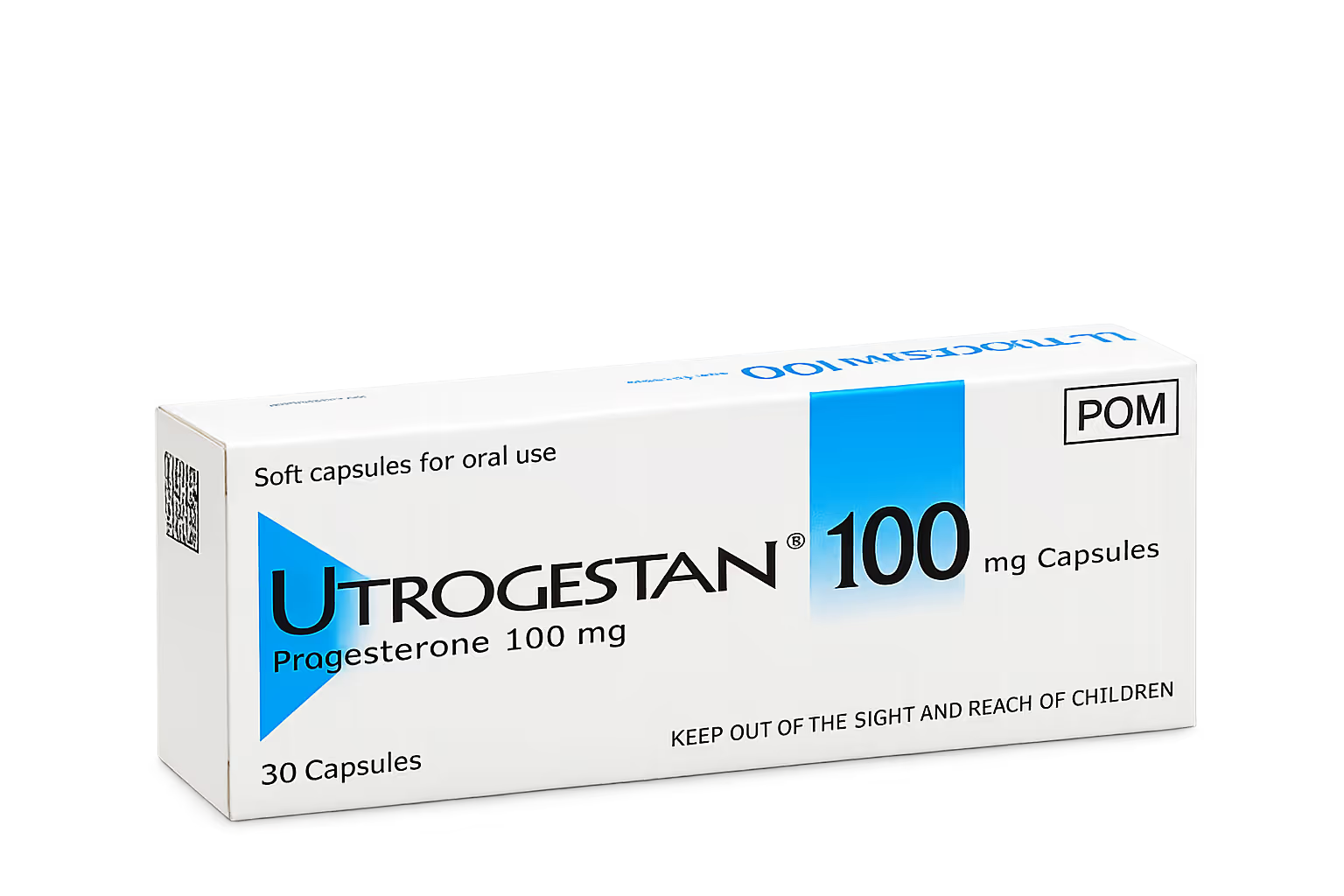
Micronised progesterone (commonly prescribed in the UK as Utrogestan or Gepretix) is chemically identical to the progesterone your body naturally makes and is widely used in NHS and private menopause care [3].
Not All “Progesterones” Are the Same
This is where many women get confused--and rightly so. Some HRT contains synthetic progestins, which are not the same as natural progesterone. These man-made hormones are shaped differently and can affect other hormone receptors in the body.
Research shows that micronised progesterone behaves differently — and more gently — than many synthetic progestins, particularly when combined with oestrogen in HRT [4][5].
Studies have found important differences in breast cancer risk, heart health and overall tolerability, with micronised progesterone linked to a more favourable safety profile in these areas [4][5][7].
Progesterone Changes Across a Woman’s Life
Progesterone levels often become erratic and decline earlier than oestrogen during perimenopause. This helps explain why symptoms such as sleep problems, anxiety, irritability and breast tenderness can start years before menopause itself [6].
Understanding this shift can be empowering. It explains why some women feel dramatically better when progesterone is addressed properly as part of HRT, rather than treated as an afterthought.
The Takeaway: Progesterone Is Not “Optional”
Progesterone supports calm, sleep, emotional balance and tissue health throughout a woman’s life. In menopause — and especially in HRT — it plays a major role in both how safe treatment is and how good it feels.
It’s time progesterone stopped being seen as just a protective hormone and started being recognised as one of the most important — and most overlooked — hormones in women’s health.
References
1. StatPearls Publishing. Progesterone. In: StatPearls [Internet]. Treasure Island (FL): StatPearls Publishing; updated 2024. https://www.ncbi.nlm.nih.gov/books/NBK558960/
2. Menopause Care. Progesterone. https://www.menopausecare.co.uk/treatments/progesterone
3. Newson L. Utrogestan (micronised progesterone) explained. https://www.drlouisenewson.co.uk/knowledge/utrogestan-micronised-progesterone-explained
4. Stute P, Wildt L, Neulen J. The impact of micronized progesterone on breast cancer risk: a systematic review. Climacteric. 2018;21(2):111–122. https://pubmed.ncbi.nlm.nih.gov/39515587/
5. Canonico M, Scarabin PY. Progesterone and cardiovascular disease. Climacteric. 2023. https://pubmed.ncbi.nlm.nih.gov/37111278/
6. The Wellness by Design Project. A Lifetime of Progesterone. 2022. https://thewellnessbydesignproject.com/2022/04/a-lifetime-of-progesterone/
7. Prior JC. Progesterone for symptomatic perimenopause treatment – progesterone politics, physiology and potential for perimenopause. Climacteric. 2020;23(4). https://www.sciencedirect.com/science/article/pii/S174067572030013X