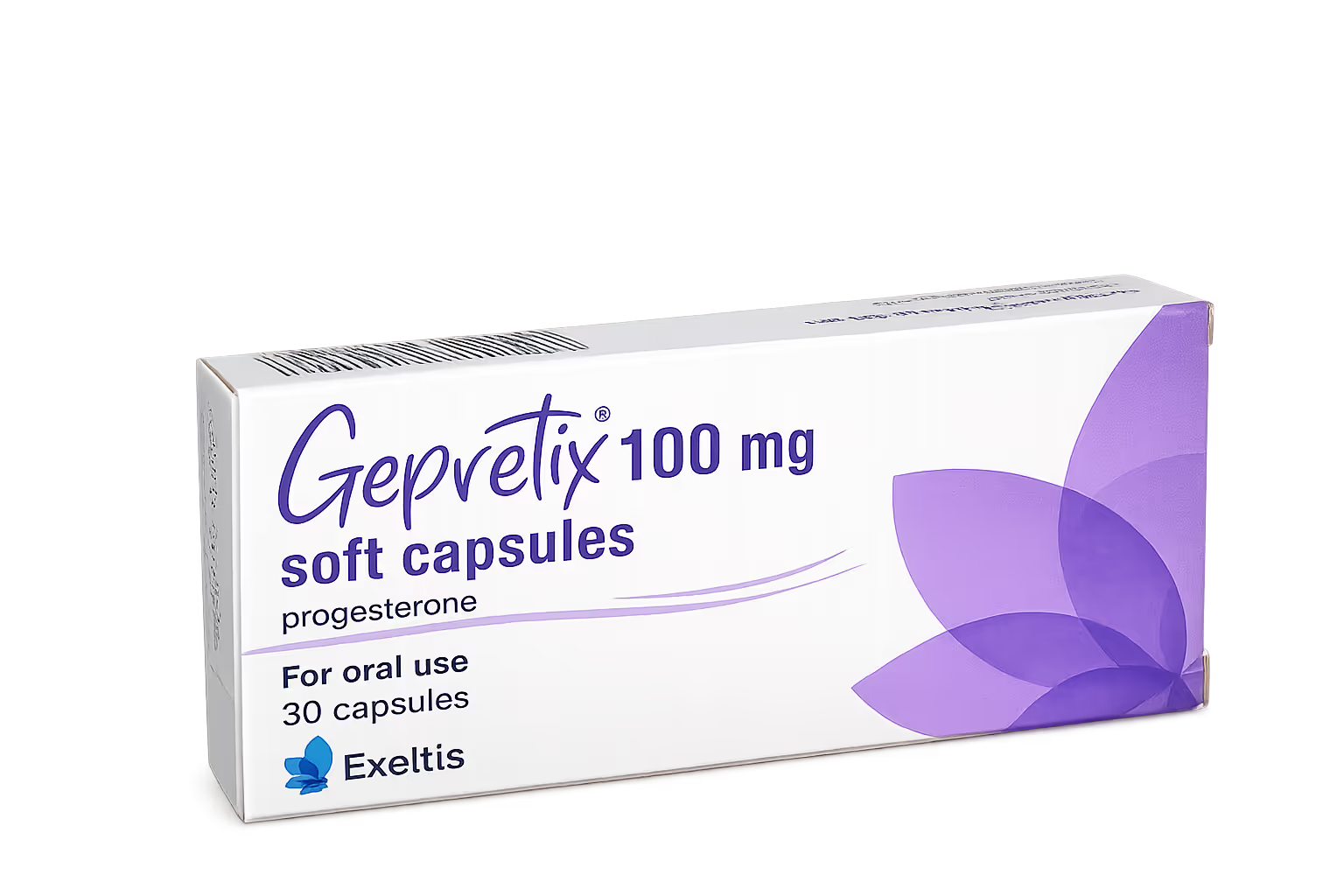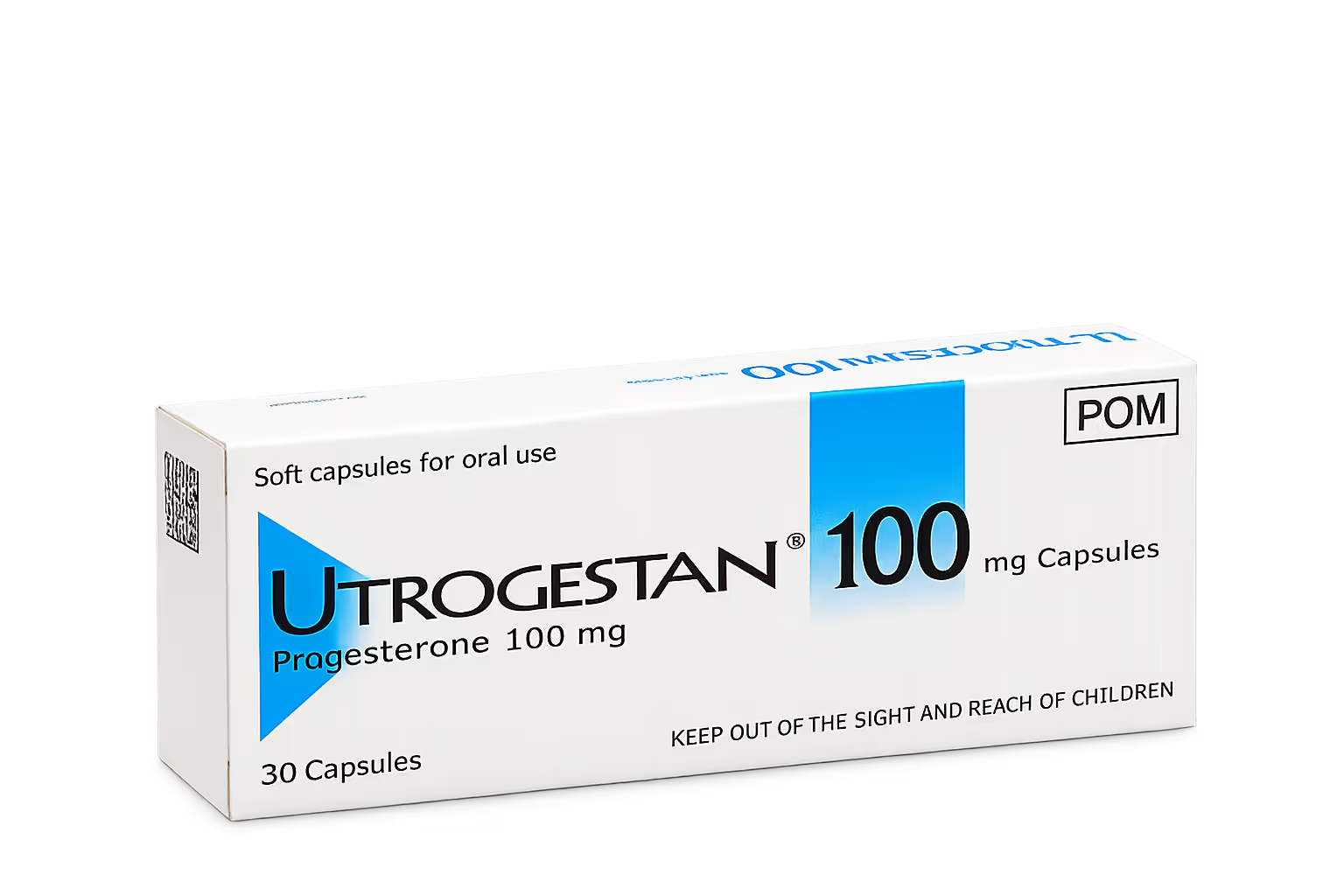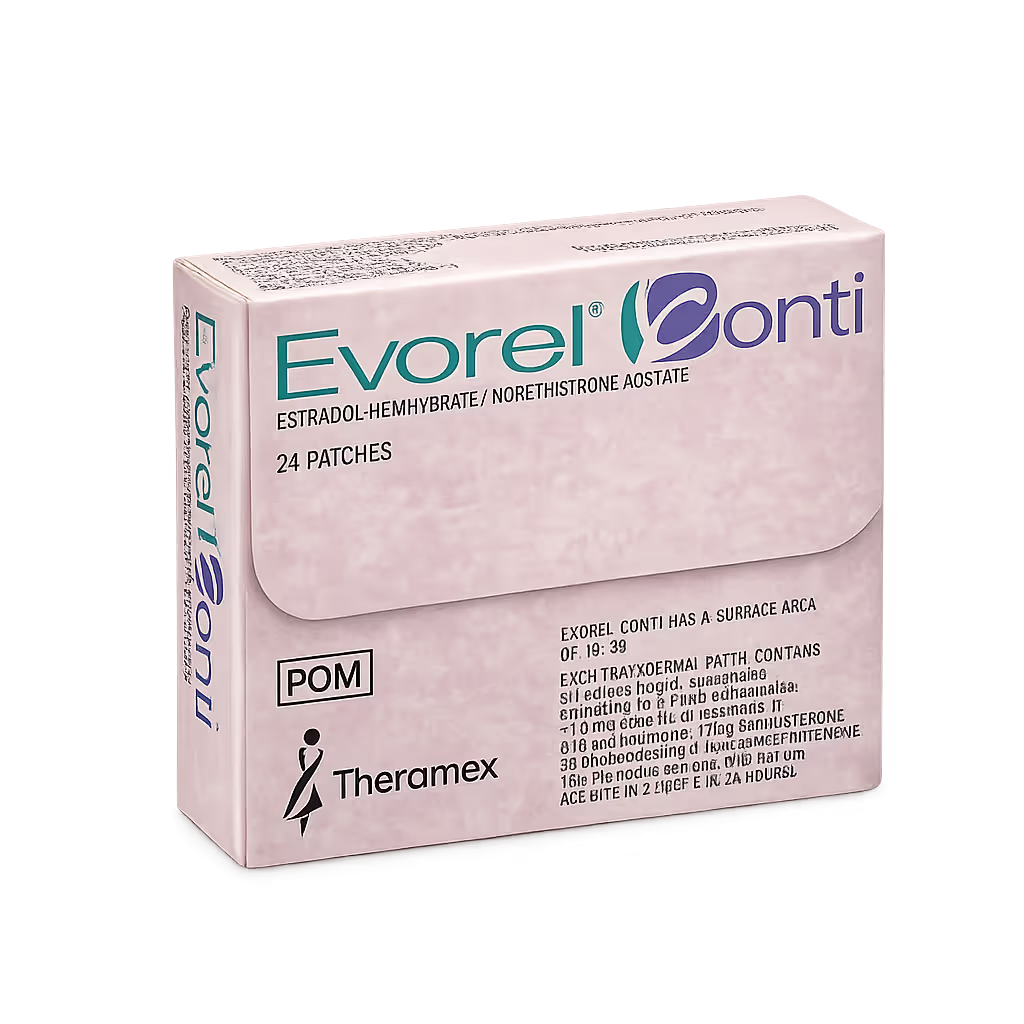

When menopause is talked about, oestrogen usually steals the spotlight. Hot flushes, night sweats, bone health — it’s all about oestrogen. Yet there’s another hormone quietly doing vital work behind the scenes: progesterone.
For many women in perimenopause and menopause, progesterone is the forgotten hormone — despite its wide-ranging effects on sleep, mood, breast health and heart health. And importantly, not all progesterone used in HRT behaves the same way.
Progesterone isn’t just there to “balance” oestrogen. Throughout adult life, it plays a role in calming the nervous system, supporting brain function, regulating breast tissue, and contributing to cardiovascular and metabolic health.
As progesterone levels fluctuate and fall during perimenopause, symptoms such as poor sleep, anxiety, irritability and breast tenderness often appear early — sometimes years before menopause. Yet progesterone is still frequently discussed only in terms of womb protection.
In menopause, progesterone remains important not only to protect the womb lining when oestrogen is used, but also for its effects throughout the body, including the brain, breasts and blood vessels [2][3].
Micronised Progesterone: Closer to What Your Body Recognises
Micronised progesterone is often called body-identical progesterone because it is chemically the same as the hormone your body naturally produces. The micronisation process helps the body absorb and use it effectively.
It can be prescribed in different forms, allowing it to act locally or systemically depending on individual needs.
Because it closely matches natural progesterone, micronised progesterone interacts cleanly with progesterone receptors and avoids stimulating other hormone pathways. Clinical evidence shows it provides effective endometrial protection and is associated with better sleep, steadier mood, neutral cardiovascular effects and a more favourable breast safety profile compared with some synthetic alternatives [2][3].
Synthetic Progestins: Same Job, Different Behaviour
Synthetic progestins are man-made hormones designed to mimic some actions of progesterone. Examples used in HRT include medroxyprogesterone acetate (MPA) and norethisterone, which are available in tablets, patches and intrauterine systems.
Because their chemical structure differs from natural progesterone, synthetic progestins can interact with additional hormone receptors. This wider activity helps explain why some women experience side effects such as mood changes, bloating or breast tenderness [2].
Breast and Heart Health: Why the Details Matter
One of the most important differences between progesterone types relates to breast cancer risk.
Research suggests that HRT combining oestrogen with micronised progesterone is associated with a lower breast cancer risk than oestrogen combined with certain synthetic progestins, particularly MPA [2]. While no form of combined HRT is entirely risk-free, the choice of progestogen appears to be a meaningful factor.
Heart health also matters. Some synthetic progestins may reduce oestrogen’s positive effects on blood vessels, while micronised progesterone appears to preserve those cardiovascular benefits, with neutral effects on cholesterol, blood pressure and blood sugar [3].
Remembering Progesterone in HRT Choices
In the UK, the NHS recognises that HRT comes in different types and combinations, including those using micronised progesterone or synthetic progestins, depending on individual circumstances [4].
Progesterone isn’t just a box to tick — it influences how women feel day to day and how their bodies respond long term. If oestrogen is the headline act of menopause care, progesterone is the quiet co-star that deserves far more attention.
References
1. Natural or Synthetic HRT? Understanding the Difference – News on Health. https://www.newsonhealth.co.uk/knowledge/natural-or-synthetic-hrt-understanding-the-difference
2. Stute P et al. The impact of micronized progesterone on breast cancer risk: a systematic review. https://pmc.ncbi.nlm.nih.gov/articles/PMC4960754/
3. Canonico M et al. Postmenopausal hormone therapy and cardiovascular disease. https://pubmed.ncbi.nlm.nih.gov/23238854/
4. NHS. Types of hormone replacement therapy (HRT). https://www.nhs.uk/medicines/hormone-replacement-therapy-hrt/types-of-hormone-replacement-therapy-hrt/