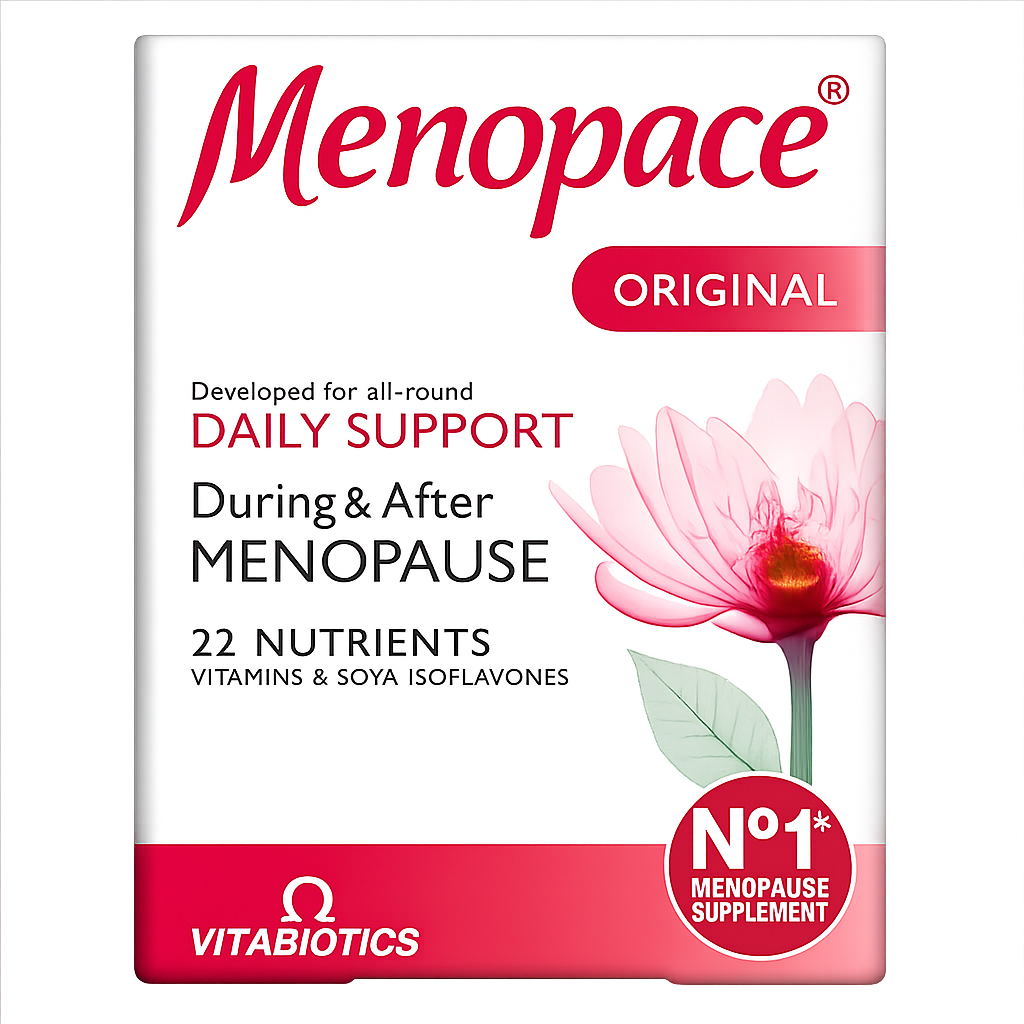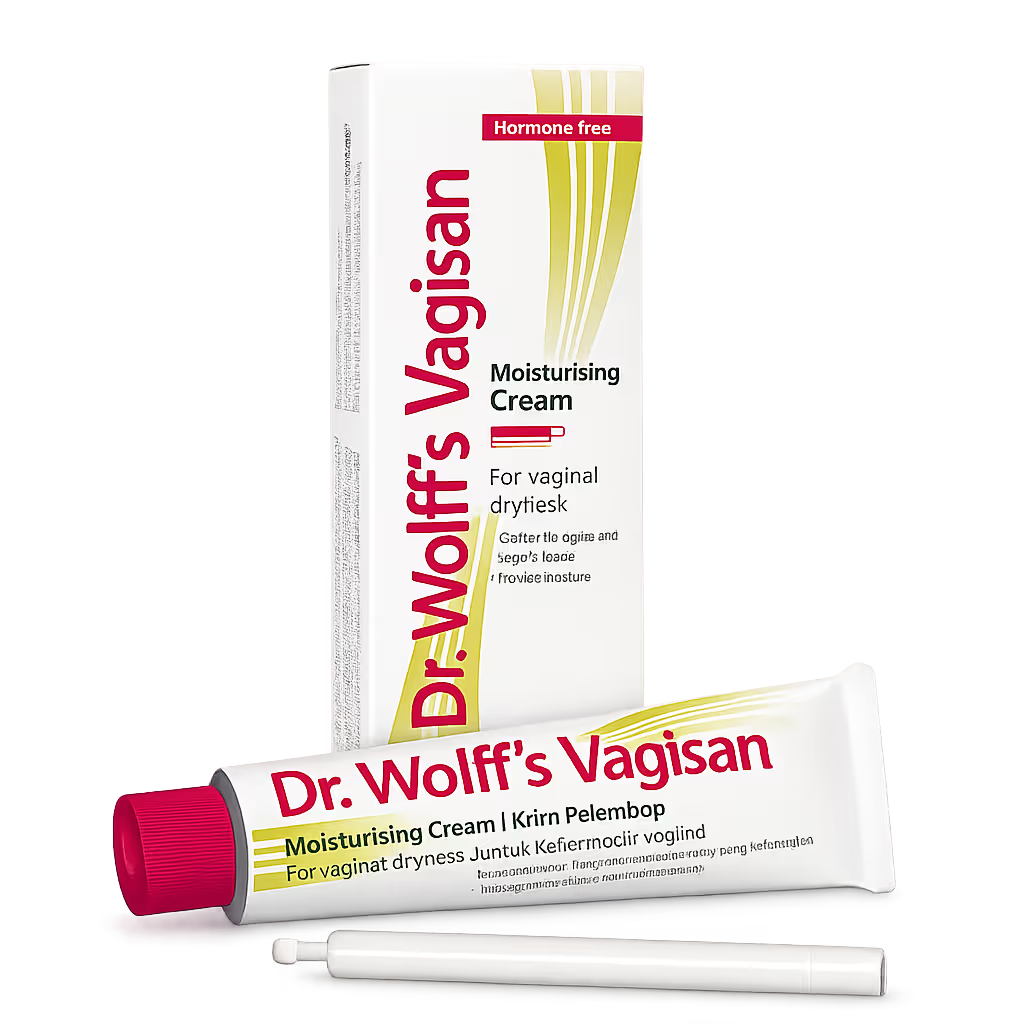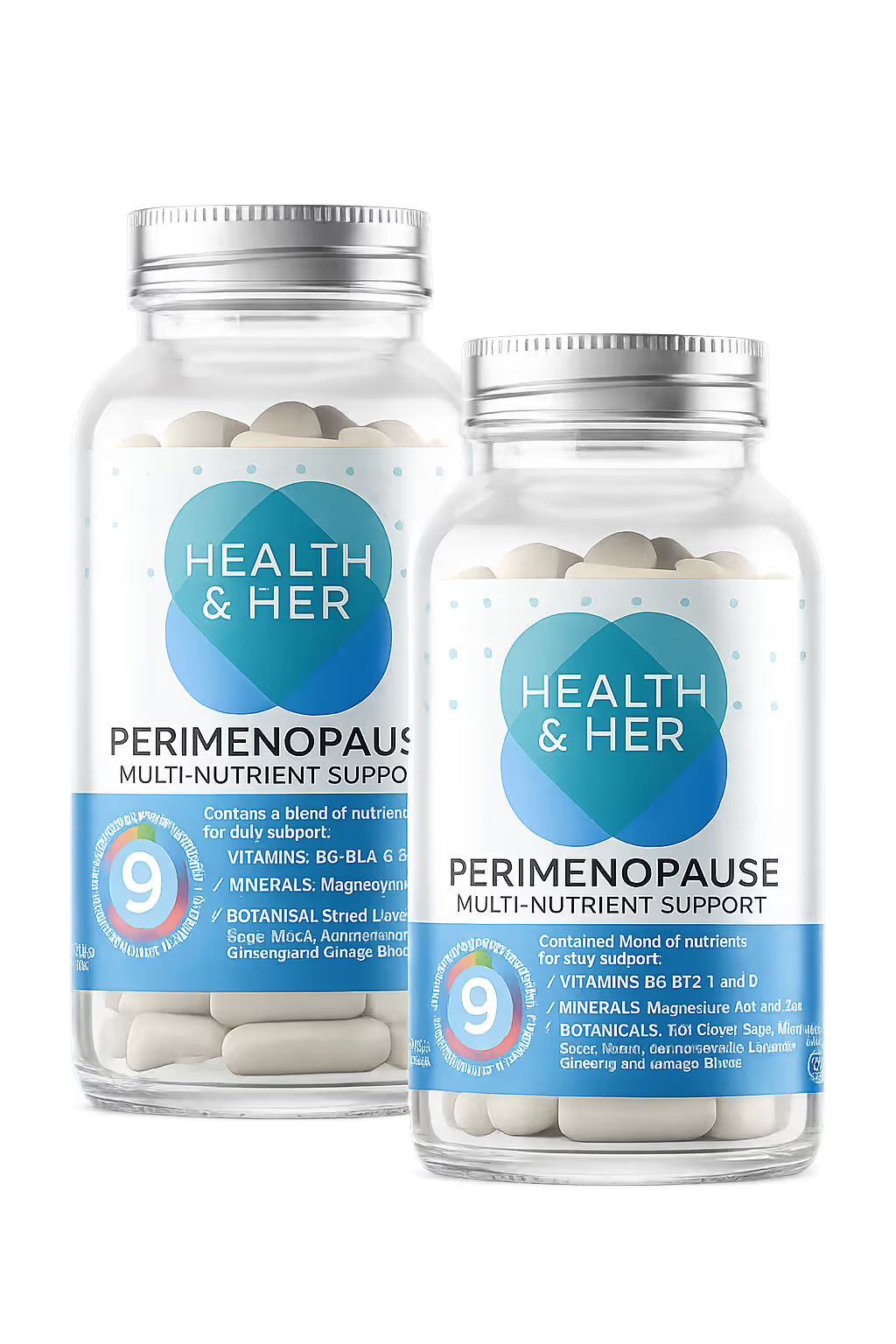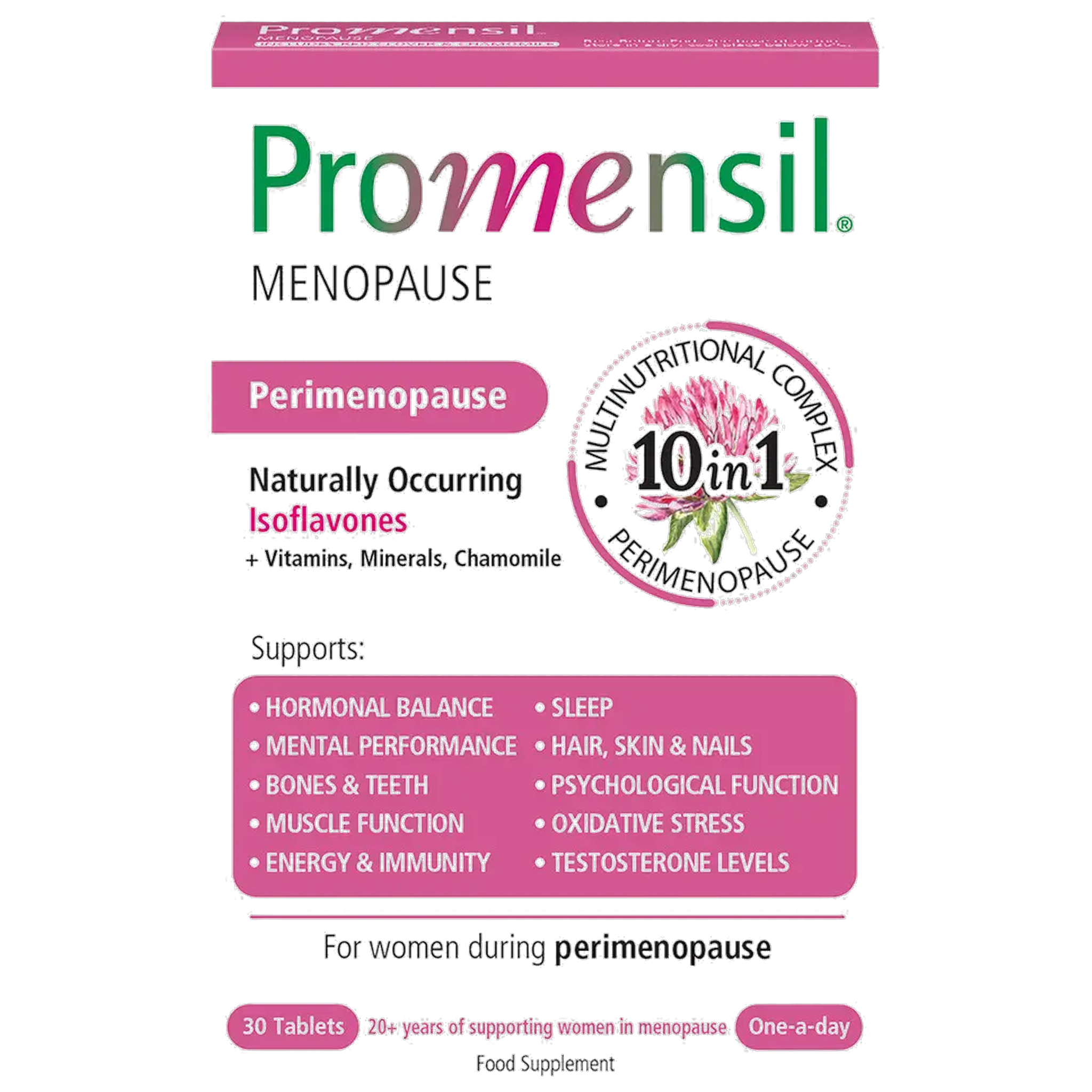
.png)
I've spent the better part of 20 years helping healthcare companies sell things to women.
I know how to write a headline that makes you feel seen. I know which colours convert on a landing page aimed at women over 45. I know that if you put the word "balance" in a product name, sales go up. I know that "clinically inspired" sounds almost exactly like "clinically proven" if you read it fast enough, which, when you're perimenopausal and running on four hours of sleep, you almost certainly will.
I'm telling you this because I'm also perimenopausal. And somewhere between my third sleepless night and my second Instagram ad for a supplement that promised to "support hormonal harmony," I realised I'd become the target audience I used to brief agencies about.
So let me answer the question properly, with the same rigour I'd apply to any clinical marketing claim. Do menopause supplements actually work? Some ingredients have real evidence behind them. Most products don't. And the gap between those two statements is where a £600 million industry lives.
What the clinical evidence on menopause supplements actually shows
Researchers who study this area have been asking exactly the right questions. A major review published through the International Menopause Society looked at 114 randomised controlled trials examining non-hormonal interventions for menopause symptoms. A randomised controlled trial is the gold standard for working out whether a treatment does what it claims, as opposed to what its Instagram grid claims.
Of those 114 trials, six were rated as low risk of bias. Six.
When the researchers then assessed the quality of the meta-analyses in this field, which are the larger studies that pool results across multiple trials to get a more reliable picture, 72% were rated as critically low quality. That's by AMSTAR 2, the established method for evaluating whether a review has been conducted properly.
I want to be precise about what that means. It doesn't mean menopause supplements definitely don't work. Absence of good evidence isn't the same as evidence of absence. What it means is that the clinical evidence base behind a £600 million industry is, by the standards used in medicine, largely a mess.
Are menopause supplements worth the money? Here's how to tell.
The honest answer is: it depends entirely on the specific ingredient, the specific symptom, and whether the studies behind it were done in women like you.
This matters because most supplement marketing is built on a trick. Not an illegal one. A structural one. Here's how it works.
When a supplement brand wants to make a health claim, they face a regulatory problem. In the UK, food supplements can't legally claim to treat, cure or prevent a medical condition. So brands work creatively within those rules, and creative is the right word for what they do.
They find a real study. It doesn't have to be a study of their product. It doesn't have to be a study in menopausal women. It doesn't have to be large, well-designed, or independently replicated. It just has to exist and broadly point in the right direction. A lab study showing an ingredient affects a cell line. A small trial in young women. An animal study. These all count as "science" in the loosest possible sense, and they're routinely used to imply clinical validity.
They make the bridge sound obvious. A study showed this compound affected skin collagen in young women. The product claims to support vaginal tissue health in menopausal women. Nobody says that out loud. The brand says "collagen support" and lets you make the connection. The jump from one body site to another, from one population to another, from one form of an ingredient to another. We call these claim jumps, and they're the fundamental architecture of most supplement marketing.
They add numbers. "88% of women reported feeling better." This sounds like a clinical finding. In most cases it's a brand-run consumer survey, which is methodologically about as reliable as asking people who've bought a lottery ticket whether they feel lucky. No control group. No blinding. No independent verification. It's not a menopause supplement clinical trial. It's a survey presented in a way designed to be mistaken for something more rigorous.
The packaging does the rest. Clean white. Clinical font. Words like "formulated," "advanced," "complex," "optimised." A woman who looks serene and roughly 15 years younger than the target audience. The regulatory team's signed off on every word. The marketing team's made every word feel like something the regulatory team would never allow.
I've sat in rooms where all of this was discussed openly, professionally, as normal business. I want you to know that.
Which menopause supplements have real evidence behind them?
Some do. The picture isn't entirely bleak, and I'd be doing exactly what I'm criticising if I told you otherwise.
The supplements with the most credible evidence base tend to be specific ingredients studied for specific symptoms, in actual clinical trials, in women who are perimenopausal or menopausal. The ones with the weakest evidence tend to be multi-ingredient blends making five or six claims simultaneously, where the evidence for each individual claim is thin and the combination has never been tested at all.
The symptom category where the evidence gap is most stark is hot flushes. These are the symptoms women are most desperate to address, which makes them the most commercially attractive to target. The prescription treatments with the strongest clinical evidence for hot flushes, particularly HRT, aren't being aggressively marketed to you on Instagram, because they require a prescription and can't be sold direct-to-consumer. The products with the weakest evidence are the ones with the biggest advertising budgets.
That's not a coincidence. It's a feature of a market where the regulatory bar is low enough that marketing can do most of the work that evidence is supposed to do.
We've reviewed the most widely marketed UK menopause supplements against clinical evidence standards. See all supplement reviews, ranked by Prove It Score. Or, if you're looking for the best product for your specific symptoms, try the Symptom Checker.
Why I'm telling you this
Not to make you feel stupid for buying something. I bought the bloody supplements. I've got a drawer full of them. Making women feel stupid for responding to sophisticated, well-funded, professionally executed marketing is itself a marketing strategy, used by the next wave of brands positioning themselves as the honest alternative.
I'm telling you because I've got the specific professional misfortune of knowing exactly how this works, and I think you deserve to know too.
The menopause supplement industry isn't full of bad people. It's full of people doing normal commercial things in a regulatory environment that makes it very easy to imply more than the evidence supports. The problem's structural. The incentives reward marketing over evidence because consumers haven't had an easy way to tell the difference.
That's the gap Prove It exists to close. Not by telling you what to buy. By showing you what the clinical evidence on menopause supplements actually says, using the same standards medicine uses, so you can decide for yourself.
The industry spent £600 million making that hard. We thought you should be able to do it for free.
All Prove It scores are based on systematic reviews, meta-analyses, and randomised controlled trials only. Observational studies, consumer surveys, and expert opinion are excluded from scoring. See our full methodology.
Reference
1. Maunder A, Mardon AK, Rao V, et al. Complementary therapies for management of menopausal symptoms: a systematic review to inform the update of the International Menopause Society recommendations on women's midlife health. Climacteric. 2026;29(2):165-209. PMID: 41498229