
If you've been told your clot risk rules out HRT, this is worth reading before you accept that answer.
Getting a flat no from your GP can feel like the end of the road. But the science on HRT and blood clot risk has shifted significantly over the past decade, and the UK guidelines have shifted with it. The short version: the type of HRT you use, and how you take it, makes a real and measurable difference to your clot risk. That distinction isn't always making it into GP appointments.
Here's what the research says, so you can have a more informed conversation.
What is VTE, and why does it matter?
Venous thromboembolism (VTE) is the medical term for blood clots that form in a vein — either a deep vein thrombosis (DVT, usually in the leg) or a pulmonary embolism (PE, a clot in the lungs). VTE risk is higher in women with obesity, a strong family history of clots, an inherited clotting disorder (thrombophilia), or a personal history of a previous clot.
The concern about HRT and clots goes back to older research, particularly a large US trial in the 1990s and early 2000s called the Women's Health Initiative. That trial used a specific type of oral HRT, and it did find an increased clot risk. The problem is that finding got applied to all HRT, in all forms, for all women — and that's where things went wrong.
Why how you take HRT changes everything
When oestrogen is taken as a tablet, it goes through your liver on its way into your bloodstream. That liver processing activates changes to clotting proteins, which raises the risk of a clot forming.
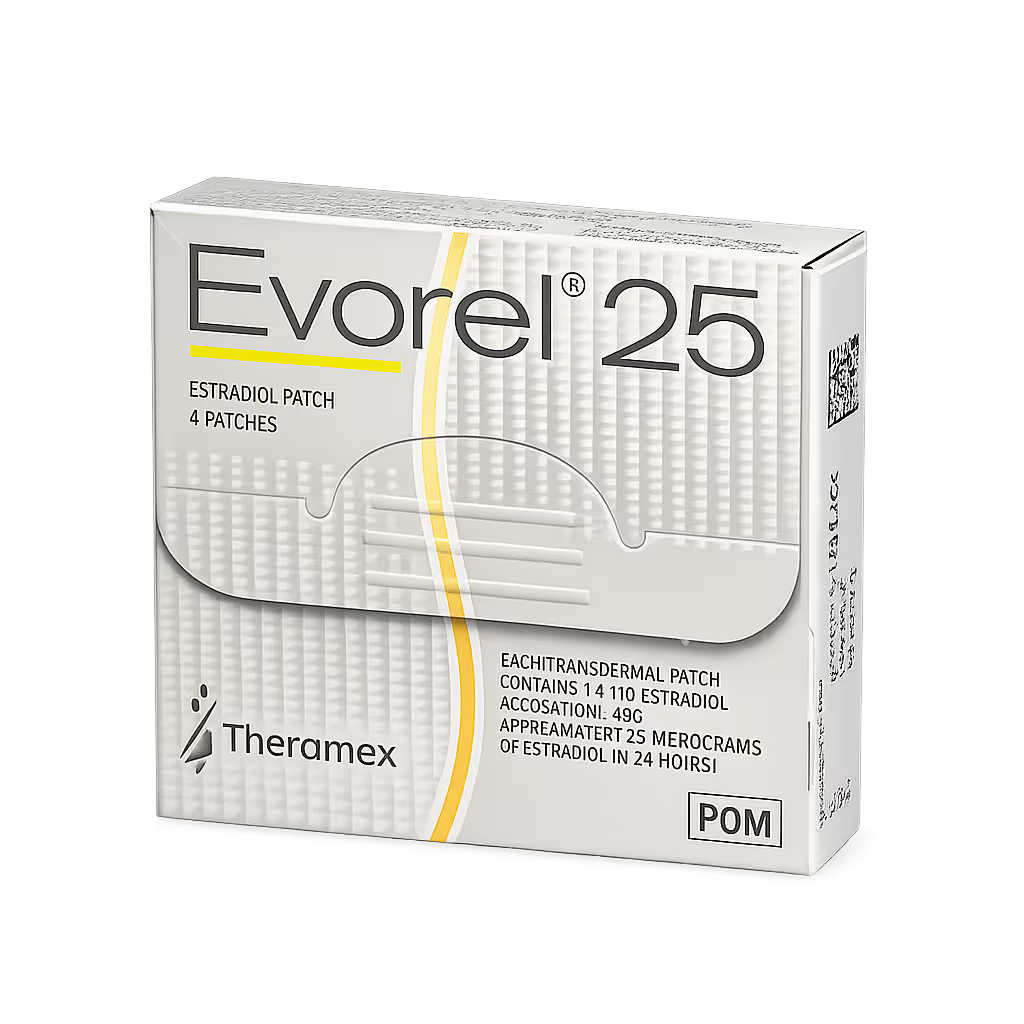
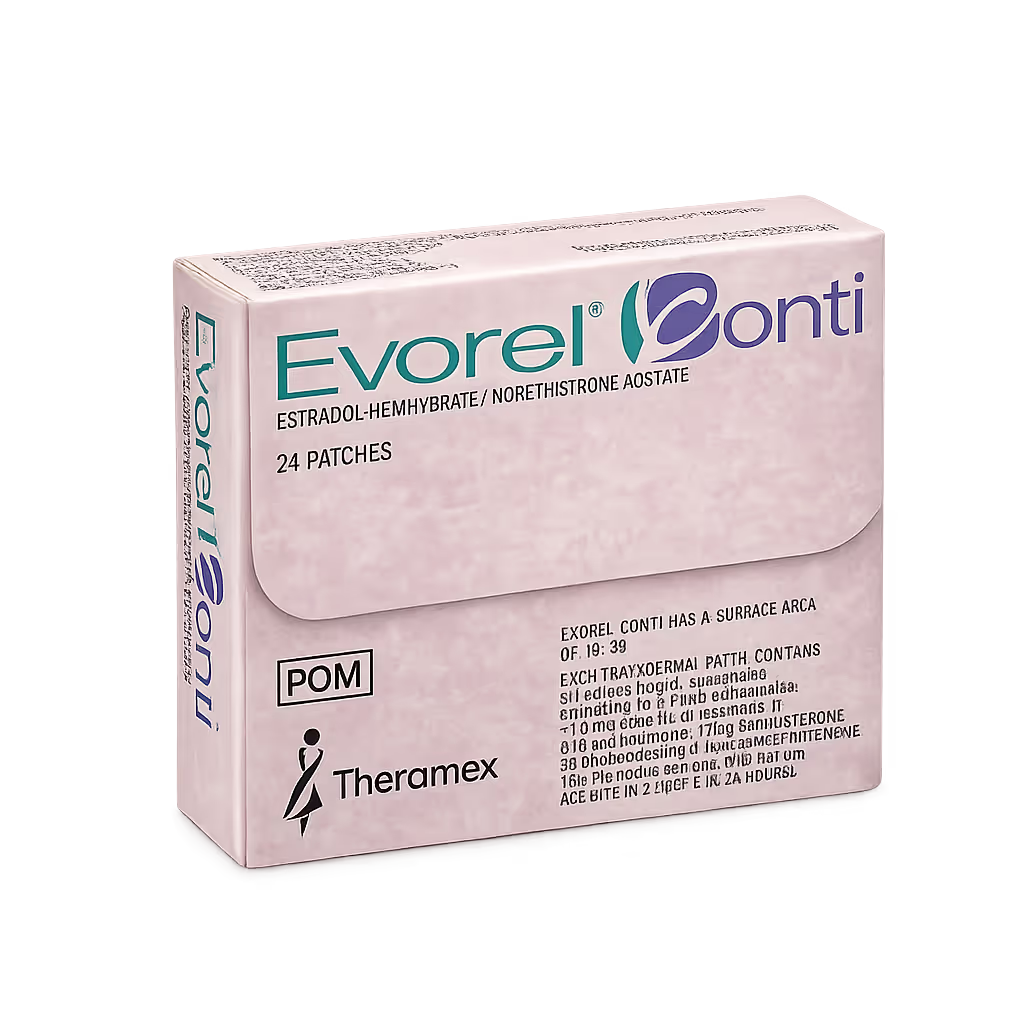
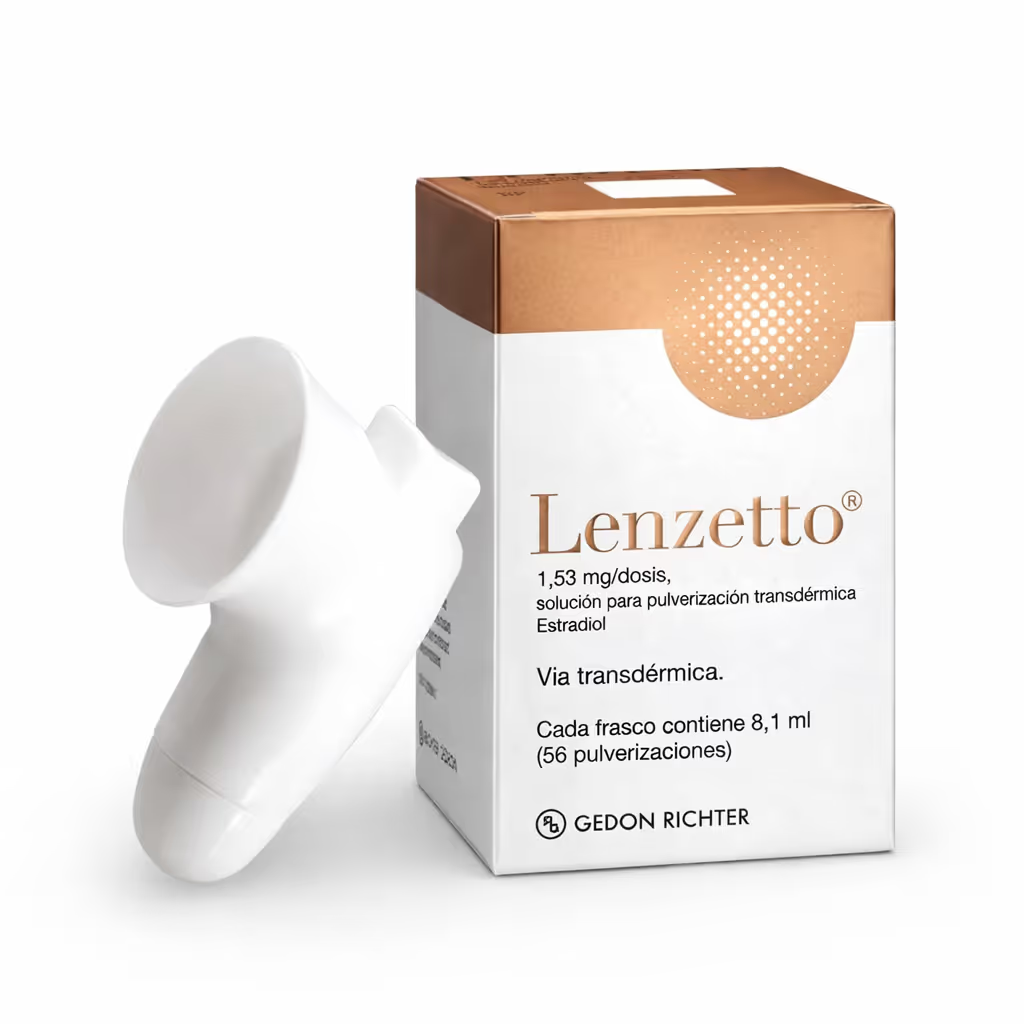
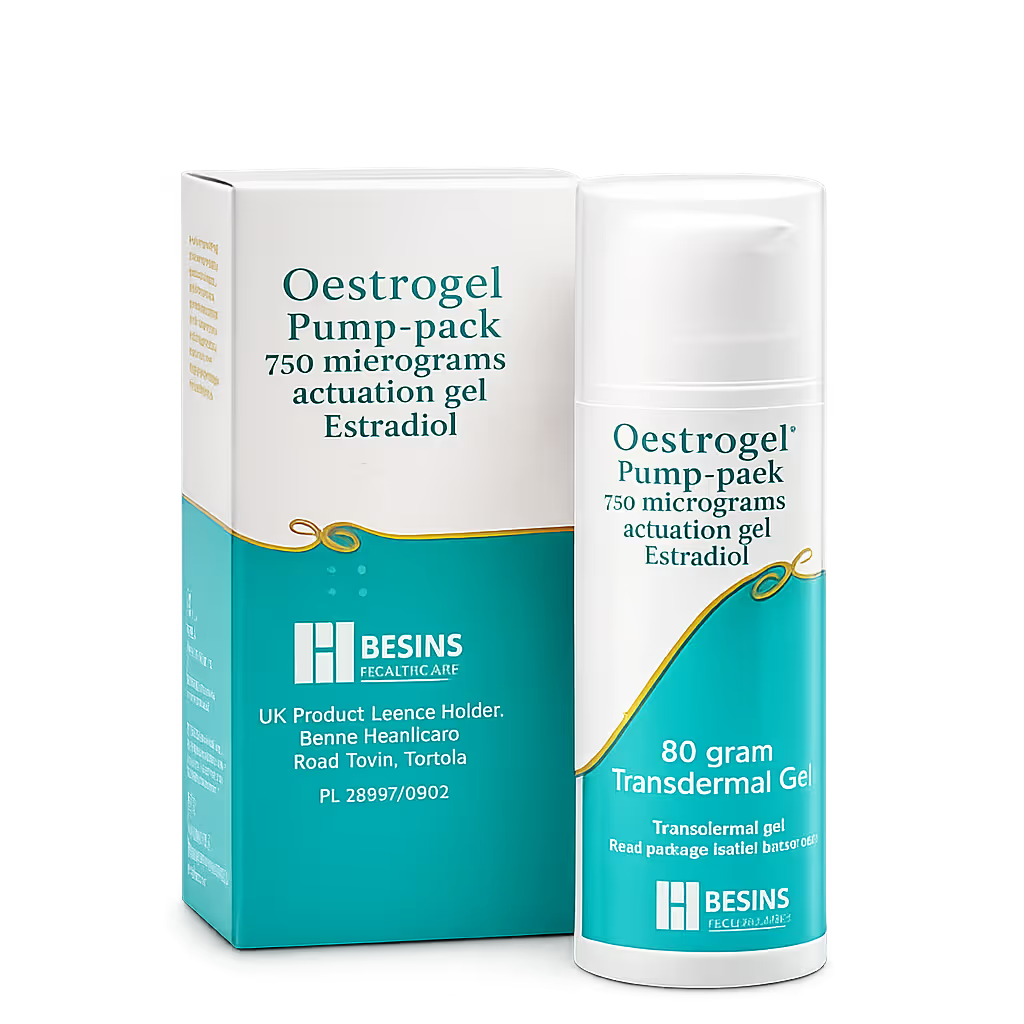
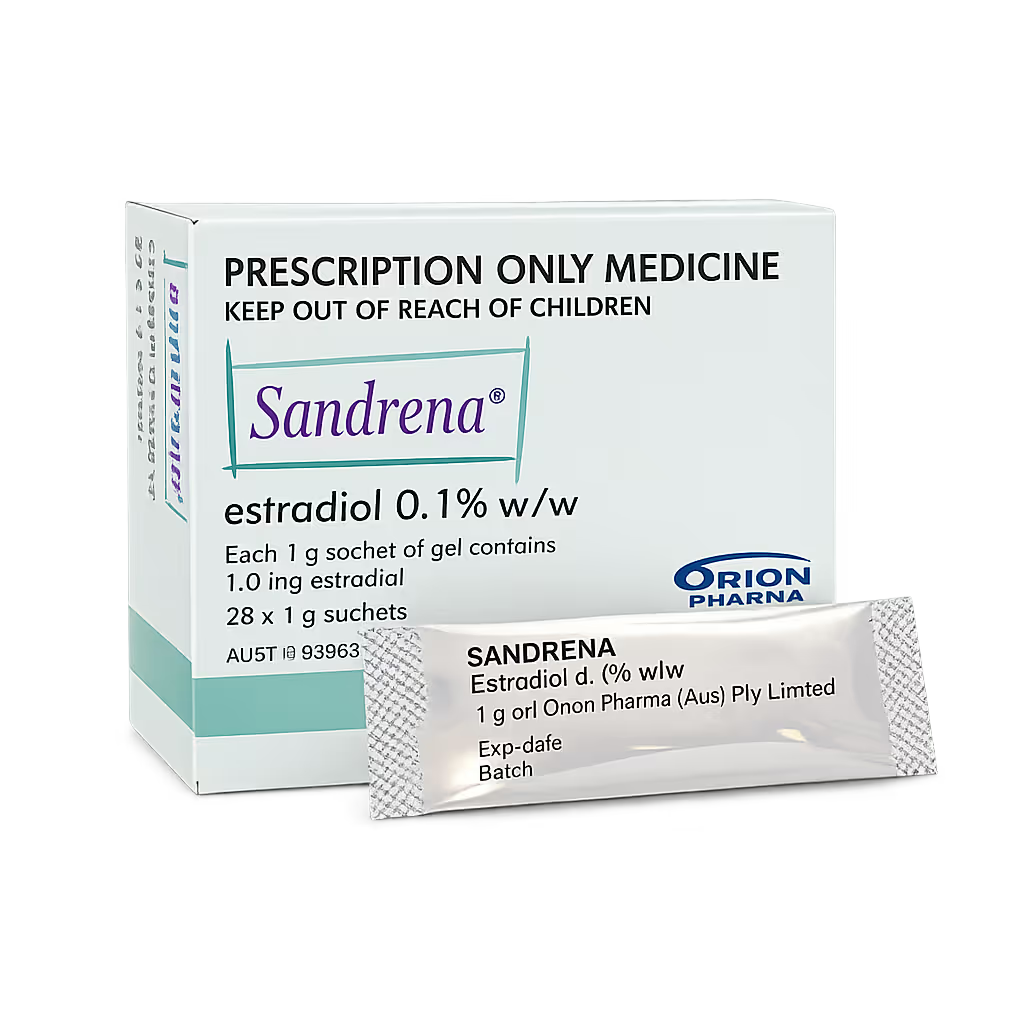
Transdermal oestrogen — delivered through the skin via a patch, gel, or spray — bypasses the liver entirely and enters the bloodstream directly. That means the clotting pathway isn't triggered in the same way. This isn't a theory. It's been confirmed in laboratory studies measuring actual clotting activity. [1]
This is the single most important factor in HRT and clot risk.
What the research shows
Oral versus transdermal: the key comparison
A 2015 systematic review and meta-analysis — the most rigorous type of study — pooled data from 15 studies comparing women on oral and transdermal oestrogen. Women taking oral oestrogen were 63% more likely to have a first VTE compared to those on transdermal, and more than twice as likely to develop a DVT. No increase in heart attack risk was found. [2]
A 2022/2023 systematic review analysed 51 studies and concluded that VTE risk is "the clearest and strongest clinical difference" between oral and transdermal HRT. The evidence consistently points in the same direction. [3]
A 2025 systematic review specifically looked at women who already had VTE risk factors — the group most likely to be told no. It found that transdermal oestrogen was not associated with any increased VTE risk, even in this higher-risk population. Oral oestrogen carried a higher risk, and oral oestrogen combined with a synthetic progestogen carried the highest risk of all. [4]
A large UK study using data from GP records — the Vinogradova study, 2019 — looked at almost 6,000 women who had experienced a clot while on HRT, compared to more than 21,000 controls. Transdermal preparations were not associated with increased VTE risk in any dose or regimen tested. [5]
The progestogen question
If you still have a uterus, you need a progestogen alongside oestrogen to protect the uterine lining. Not all progestogens are the same, and the type matters for clot risk.
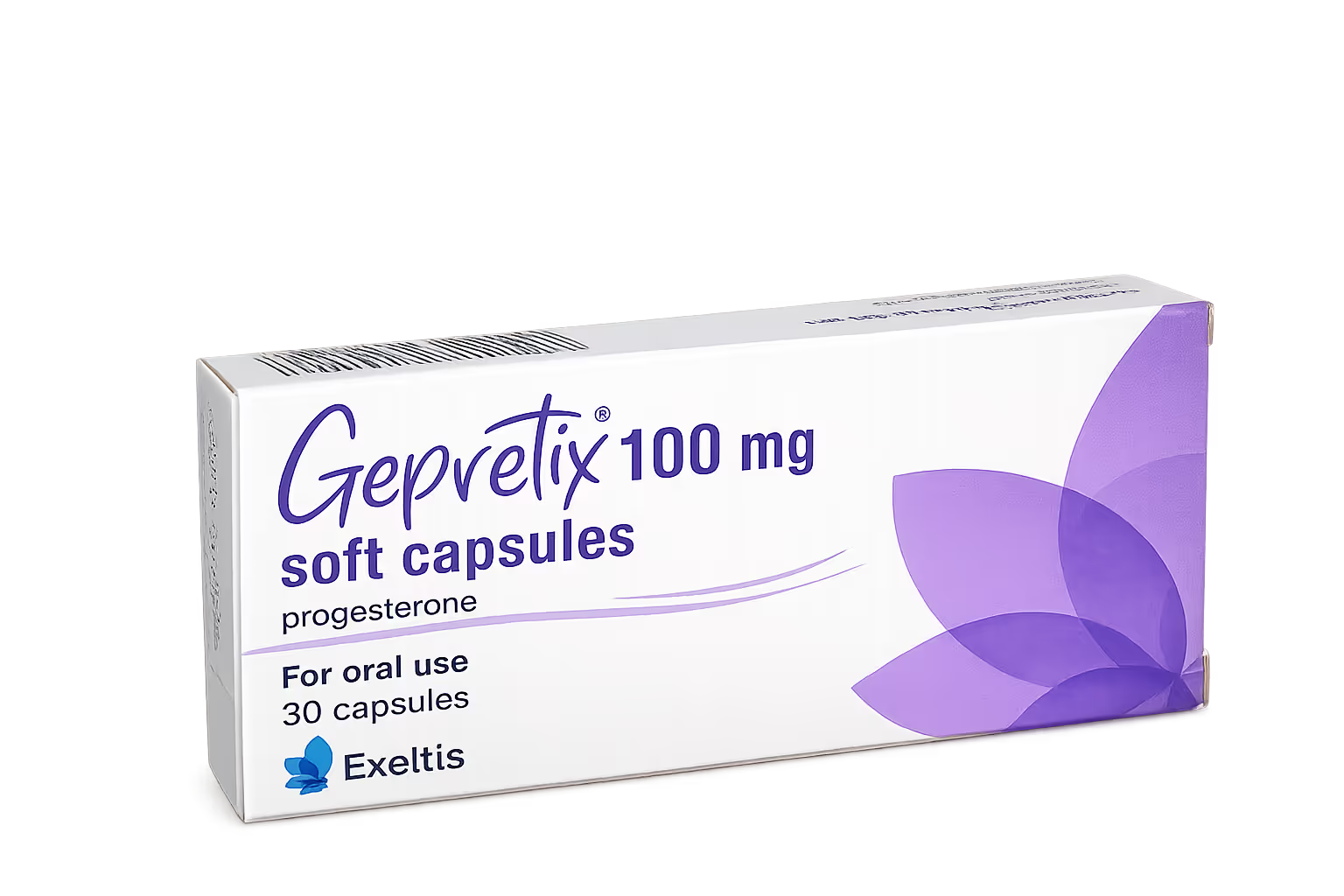
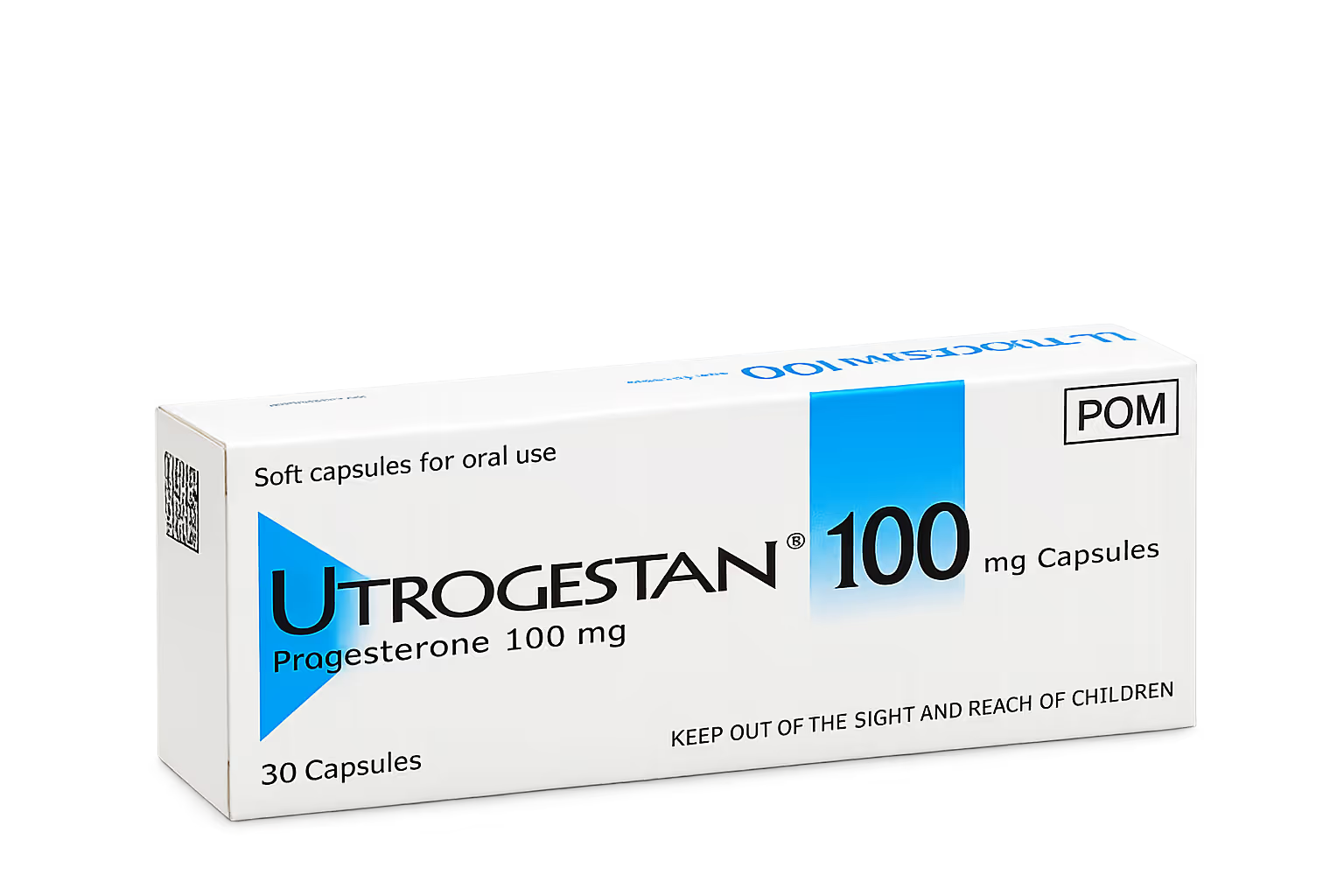
A 2018 meta-analysis pooling data from over 26,000 VTE cases found that transdermal oestrogen combined with micronised progesterone (the body-identical form of progesterone) did not increase clot risk compared to women taking no HRT at all. Synthetic progestogens, particularly medroxyprogesterone acetate and nomegestrol, carried significantly higher risks. [6]
A 2022 systematic review specifically on micronised progesterone found that — unlike synthetic alternatives — it did not increase primary or recurrent VTE risk, and appeared to have a neutral effect on the vascular system. [7]
Three large French observational studies (ESTHER, E3N, and MEVE) consistently found that the increased VTE risk in HRT users was tied to synthetic norpregnane progestogens — not to micronised progesterone. [8]
A 2023 real-world study using US patient data compared women on oestradiol with micronised progesterone versus those on conjugated equine oestrogens with medroxyprogesterone acetate (the older combination). Women on the newer body-identical combination had significantly lower VTE risk. [9]
The pattern is consistent: transdermal oestradiol with micronised progesterone or dydrogesterone is the combination with the most favourable clot risk profile.
What the guidelines say
This isn't fringe science. It's reflected in major UK and international clinical guidelines.
NICE (updated November 2024)The UK's main clinical guidance body recommends that women at increased VTE risk — including those with a BMI over 30 — should be offered transdermal rather than oral HRT. Women at high risk (family history of VTE or a hereditary clotting disorder) should be referred to a haematologist for assessment before starting HRT. That's a referral, not a refusal. [10]
British Menopause Society (BMS)The BMS states that transdermal oestradiol is unlikely to increase the risk of blood clots above background levels, and recommends it as the first-choice route for women with risk factors. It specifically recommends micronised progesterone or dydrogesterone as the safer progestogen options for women at VTE risk. [1]
International Menopause Society (IMS)The IMS 2025 recommendations are among the clearest on this. They state that oral oestrogen is not recommended in women at increased VTE risk (their highest evidence grade). They state that transdermal oestrogen does not increase VTE risk even in women with obesity, inherited thrombophilia, or a previous history of VTE, and should be the recommended option for high-risk women who need HRT. [11]
Your situation specifically
If your risk factor is a higher BMI: This is the most common scenario. Both NICE and the BMS explicitly recommend transdermal HRT here. Your GP should know this.
If you have a family history of clots or a clotting disorder like Factor V Leiden: Guidelines say you should be referred to a haematologist for assessment — not automatically refused HRT. The IMS evidence supports transdermal oestrogen even in women with inherited thrombophilia.
If you had a clot caused by a specific trigger (surgery, long-haul flight, pregnancy): This is a "provoked" clot, and the IMS notes HRT may still be appropriate — often with specialist involvement and sometimes alongside anticoagulants.
If you had a clot with no clear cause: This needs specialist assessment at a menopause clinic and haematology. There's less certainty in the evidence here, and individual risk-benefit assessment is essential.
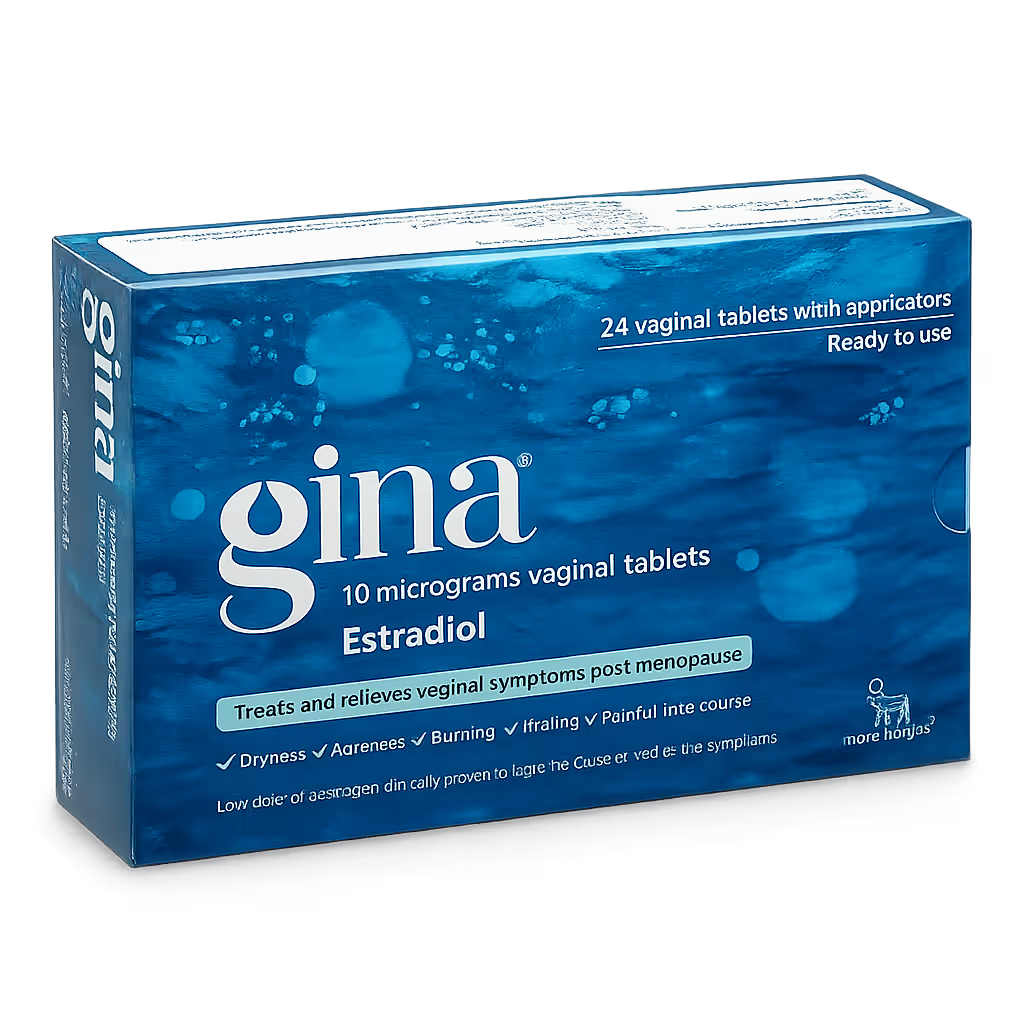
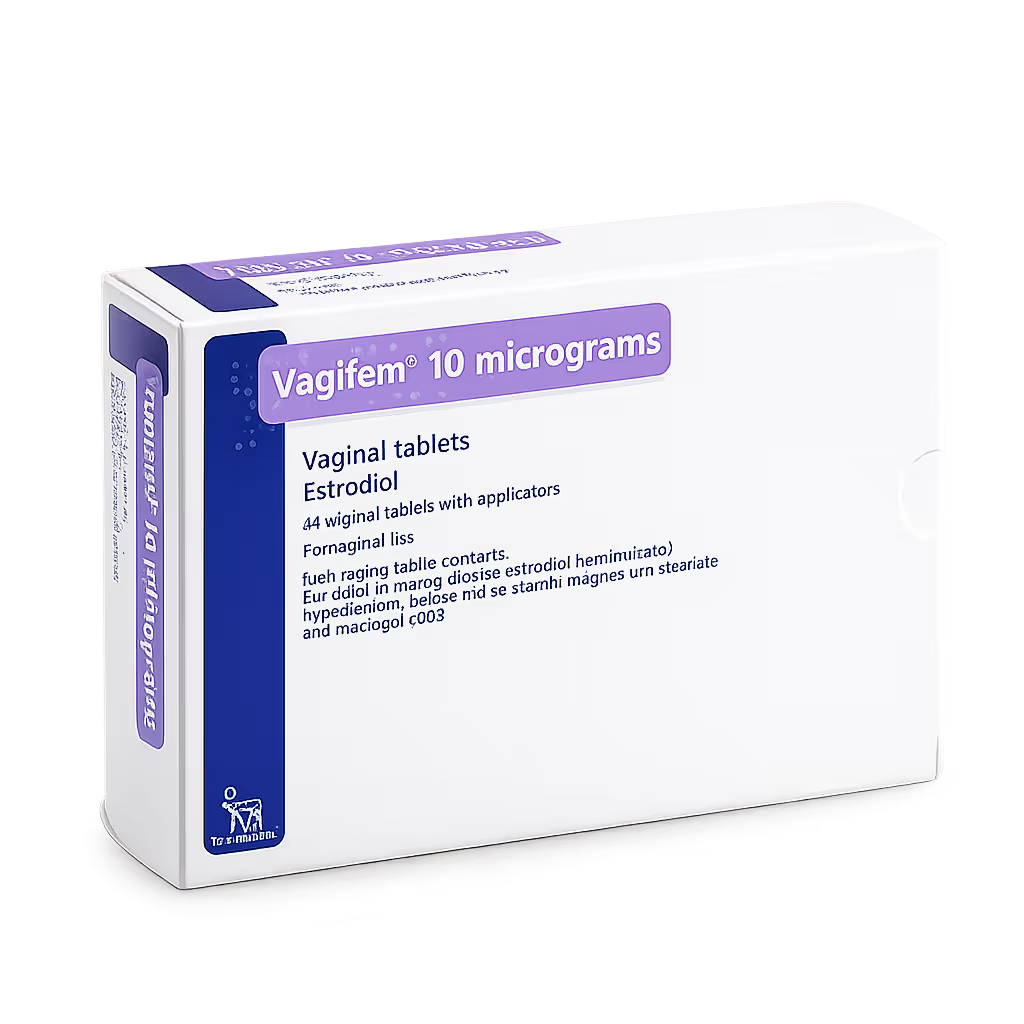
If you mainly have vaginal symptoms: Vaginal oestrogen at licensed doses does not increase VTE risk in any population. This is often appropriate even when systemic HRT needs more careful consideration. [10]
A note on the evidence
Most of this research comes from large observational studies rather than randomised controlled trials. An RCT specifically comparing oral and transdermal HRT in women with elevated clot risk would be very difficult to run ethically. That does mean the evidence is rated slightly lower on formal grading scales — the IMS gives transdermal a Grade B for high-risk women rather than the top Grade A. But the scale, consistency, and biological plausibility of the evidence across multiple large studies, from multiple countries, using multiple methodologies, all pointing in the same direction — that's compelling. It's why every major guideline body has aligned on it.
What to take to your GP
You can print this article, or go in with these specific points:
- NICE NG23 (updated 2024) recommends transdermal HRT for women with increased VTE risk [10 — nice.org.uk/guidance/ng23]
- The BMS recommends transdermal oestradiol as first choice for women with VTE risk factors, and considers micronised progesterone or dydrogesterone the safer progestogen choices [1 — thebms.org.uk]
- The IMS 2025 recommendations state transdermal oestrogen does not increase VTE risk, even with obesity, thrombophilia, or previous VTE [11 — tandfonline.com]
- Multiple systematic reviews and large-scale UK studies consistently show transdermal HRT does not carry the same clot risk as oral HRT [2, 3, 4, 5]
If your GP isn't confident managing your specific risk profile, ask for a referral to a BMS-accredited menopause specialist or a haematologist. That's appropriate. A flat "no" without a route to specialist review isn't.
References
[1] Hamoda H, Panay N, Pedder H, Arya R, Savvas M. The British Menopause Society & Women's Health Concern 2020 recommendations on hormone replacement therapy in menopausal women. Post Reprod Health. 2020;26(4):181–209. PMID: 32954914. https://pubmed.ncbi.nlm.nih.gov/32954914/
[2] Mohammed K, Dabrh AM, Benkhadra K, et al. Oral vs transdermal estrogen therapy and vascular events: a systematic review and meta-analysis. J Clin Endocrinol Metab. 2015;100(11):4012–4020. PMID: 26544651. https://pubmed.ncbi.nlm.nih.gov/26544651/
[3] Šprem Goldštajn M, Mikuš M, Ferrari FA, et al. Effects of transdermal versus oral hormone replacement therapy in postmenopause: a systematic review. Arch Gynecol Obstet. 2023;307(6):1727–1745. PMID: 35713694. https://pubmed.ncbi.nlm.nih.gov/35713694/
[4] Weller A, et al. Safety of menopause hormone therapy in postmenopausal women at higher risk of venous thromboembolism: a systematic review. 2025. PMID: 40488293. https://pubmed.ncbi.nlm.nih.gov/40488293/
[5] Vinogradova Y, Coupland C, Hippisley-Cox J. Use of hormone replacement therapy and risk of venous thromboembolism: nested case-control studies using QResearch and CPRD databases. BMJ. 2019;364:k4810. PMID: 30626577. https://pubmed.ncbi.nlm.nih.gov/30626577/
[6] Scarabin PY. Progestogens and venous thromboembolism in menopausal women: an updated oral versus transdermal estrogen meta-analysis. Climacteric. 2018;21(4):341–345. PMID: 30044650. https://pubmed.ncbi.nlm.nih.gov/30044650/
[7] Kaemmle LM, Stadler A, Janka H, von Wolff M, Stute P. The impact of micronized progesterone on cardiovascular events — a systematic review. Climacteric. 2022;25(4):327–336. PMID: 35112635. https://pubmed.ncbi.nlm.nih.gov/35112635/
[8] Canonico M, Oger E, Plu-Bureau G, et al. Hormone therapy and venous thromboembolism among postmenopausal women: impact of the route of estrogen administration and progestogens — the ESTHER study. Circulation. 2007;115(7):840–845. PMID: 17309934. https://pubmed.ncbi.nlm.nih.gov/17309934/
[9] Bodelon C, Liu H, et al. Oral estradiol/micronized progesterone may be associated with lower risk of venous thromboembolism compared with conjugated equine estrogens/medroxyprogesterone acetate in real-world practice. Maturitas. 2023;172:29–35. PMID: 37087949. https://pubmed.ncbi.nlm.nih.gov/37087949/
[10] National Institute for Health and Care Excellence. Menopause: identification and management (NG23). Updated November 2024. https://www.nice.org.uk/guidance/ng23
[11] International Menopause Society. IMS recommendations and key messages on women's midlife health and menopause. 2025. https://www.tandfonline.com/doi/full/10.1080/13697137.2025.2585487